
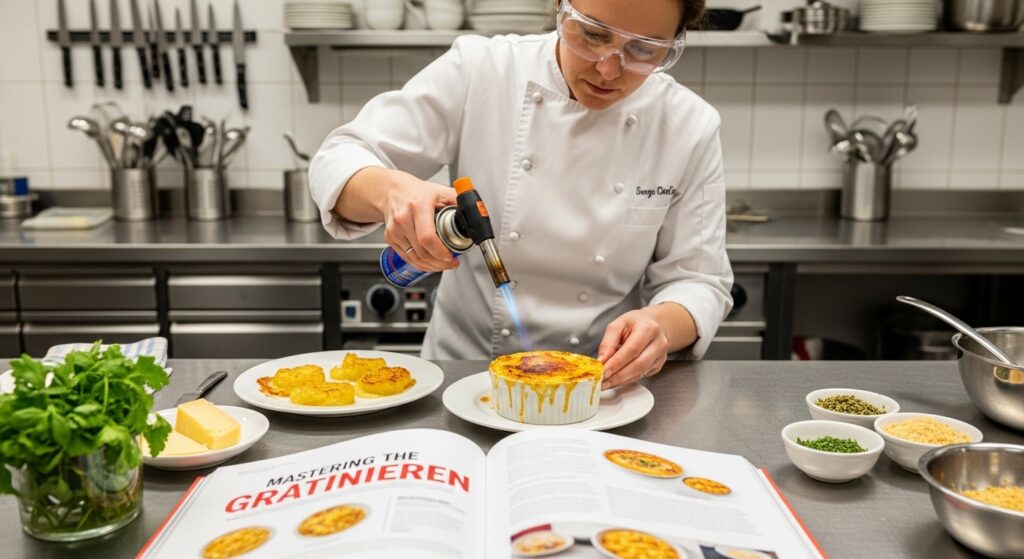
Gratinieren is more than just a cooking technique; it’s an art form that elevates simple ingredients into sumptuous dishes. Imagine creamy layers of potatoes topped with golden, melted cheese or vegetables enhanced by a crispy breadcrumb crust. When done right, gratinieren transforms comfort food into culinary masterpieces that delight the senses.
Whether you’re hosting a dinner party or enjoying a cozy family meal at home, mastering this technique can impress your guests and satisfy your cravings. Join us as we explore the world of gratins—from their rich history to expert tips and creative variations that will inspire you in the kitchen. Let’s dive into the delightful realm of gratinieren!
What is Gratinieren?
Gratinieren is a cooking method that involves browning the top layer of a dish, often using cheese or breadcrumbs. This technique creates a beautiful crust while sealing in moisture and flavor beneath.
Typically associated with French cuisine, gratinieren can be applied to various ingredients like vegetables, pasta, and even meats. The magic lies in achieving that perfect golden-brown topping that adds an irresistible crunch.
The process usually starts by layering your chosen ingredients in a baking dish. A creamy sauce is then poured over them before being topped with cheese or breadcrumbs. It’s baked until bubbling and crisp.
This simple yet effective technique enhances both taste and presentation, making any meal feel special. Gratinieren invites creativity; each cook can experiment with flavors and textures to create their signature dish.
The History of Gratinieren
Gratinieren, a delightful culinary technique, has roots tracing back to ancient civilizations. The French popularized this method in the 18th century, elevating it to an art form.
Originally used to preserve leftovers, gratin dishes combined various ingredients topped with breadcrumbs or cheese for added flavor and texture. This transformation made meals both practical and delicious.
As the technique evolved, it became associated with luxurious dining experiences. Chefs began experimenting with different cheeses and seasonings to enhance the rich flavors of gratins.
In time, regional variations emerged across Europe. Each culture infused its own twist—whether through spices from Italy or creamy sauces from France.
Today, gratinieren is celebrated worldwide as a versatile cooking method that brings warmth and comfort to any table. Its history reflects not just culinary innovation but also a love for sharing hearty meals among family and friends.
Different Types of Gratin
Gratin comes in many delightful forms, each offering a unique twist on this beloved cooking technique. Classic potato gratin, or Gratin Dauphinois, features thinly sliced potatoes layered with cream and cheese—rich and comforting.
Vegetable gratins are equally popular, showcasing seasonal produce like zucchini or cauliflower. These dishes often incorporate breadcrumbs for an added crunch.
Seafood lovers can indulge in a seafood gratin that melds fish or shellfish with creamy sauces and herbs. The result is a luxurious dish that’s perfect for special occasions.
Meat-based options also exist; think of the hearty meat gratins that combine ground meats with savory ingredients under a golden-brown topping.
And let’s not forget dessert! Sweet fruit gratins topped with caramelized sugar offer a delightful finish to any meal, proving that the method transcends savory fare. Each type brings its own charm to the table.
Essential Tools and Ingredients for Gratinieren
To achieve the perfect gratin, having the right tools and ingredients is essential. Start with a sturdy baking dish. A ceramic or glass dish works wonders for even cooking and beautiful presentation.
Next, select your ingredients wisely. Potatoes are a classic choice, but root vegetables like parsnips or sweet potatoes can add depth to your dish. Fresh herbs elevate flavors; thyme and rosemary are particularly delightful.
Don’t forget about cheese! Gruyère is traditional, but feel free to experiment with aged cheddar or goat cheese for unique twists. Cream brings richness to the mix; opt for heavy cream for that decadent finish.
A good-quality mandoline slicer will help you achieve uniform slices of veggies, ensuring they cook evenly. Have some kitchen shears handy—they’re great for snipping fresh herbs directly into your mixture without any fuss.
Step-by-Step Guide to Making the Perfect Gratin Dish
Start by preheating your oven to 375°F (190°C). This ensures an even cook for your gratin, creating that golden crust we all love.
Next, choose your base—potatoes, vegetables, or pasta. Slice them thinly for uniformity and quicker cooking time.
Layer the ingredients in a buttered baking dish. Alternate layers of seasoning with salt and pepper. Don’t forget the cheese; it’s essential for that rich flavor!
Pour in cream or broth slowly to keep everything moist but not soupy. A sprinkle of nutmeg adds depth without overpowering.
Top off with breadcrumbs mixed with more cheese for added crunch. Bake until bubbly and golden brown, about 30-45 minutes depending on the size of your dish.
Let it rest briefly before serving; this helps set up those delicious flavors! Enjoy every bite as you savor the warmth of homemade comfort food.
Tips and Tricks from Professional Chefs
Professional chefs swear by a few key tips to elevate your gratin dishes from good to unforgettable. Start with quality ingredients; fresh, seasonal vegetables and high-quality cheese make all the difference.
Layering is crucial. Alternate between vegetables, cheese, and sauce for balanced flavor distribution. This technique not only enhances taste but also creates an appealing texture.
Don’t skimp on seasoning! A pinch of salt or a sprinkle of nutmeg can transform your dish into something special. Taste as you go to ensure every layer shines.
For that golden crust, finish under the broiler for a couple of minutes. Watch closely so it doesn’t burn – you want perfection!
Allow your gratin to rest before serving. This helps the flavors meld beautifully and makes slicing easier without falling apart.
Creative Variations on Classic Gratins
Gratin dishes are a canvas waiting for creativity. While traditional potato gratin charms with simplicity, why not swap in sweet potatoes or turnips? Their natural sweetness brings a delightful twist.
Consider incorporating unexpected ingredients like butternut squash or cauliflower. When roasted and layered with cheese, they elevate comfort food to gourmet status.
Seafood lovers can rejoice too. A seafood gratin featuring shrimp or scallops adds elegance to any dinner table. Top it off with herbs for an aromatic finish.
You can also experiment with global flavors. Infusing spices like curry powder into your béchamel sauce creates an exciting fusion dish that surprises the palate.
For those who prefer plant-based options, think about using cashew cream mixed with nutritional yeast as a rich topping over layers of greens and grains. It’s delicious and packed with nutrients!
The world of gratins is vast; let your imagination guide you through this scrumptious adventure!
Conclusion
Mastering the art of Gratinieren opens up a world of culinary possibilities. Whether you’re layering potatoes, vegetables, or even meats, this cooking technique brings out rich flavors and satisfying textures that appeal to all palates. With its roots steeped in history and versatility across various dishes, gratin is not just a method; it’s an experience.
Equipped with essential tools and ingredients, anyone can dive into creating their own signature gratins. Following our step-by-step guide simplifies the process while tips from professional chefs elevate your dish to restaurant-quality standards. And don’t shy away from experimenting with creative variations—let your imagination take charge!
As you embark on your journey through the delightful realm of Gratinieren, remember that practice makes perfect. Each attempt builds confidence and skill in the kitchen, making every bite worthwhile. Embrace this timeless technique and enjoy the delicious results that come from mastering it!