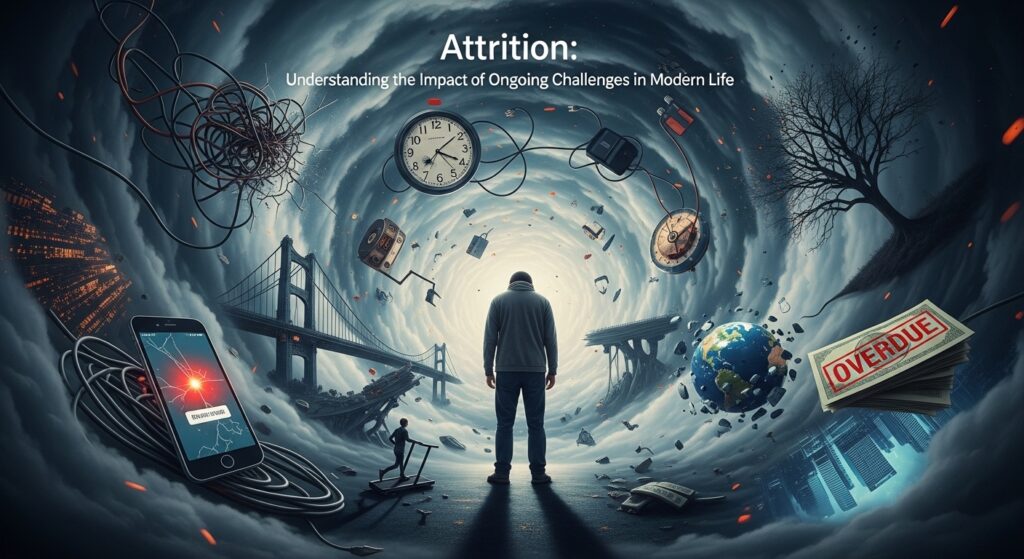
Attrities is a term that can be interpreted as a variation of “attrition,” a concept widely used to describe gradual decline, reduction, or wearing away over time. While the spelling may differ, the idea behind attrities reflects a powerful reality: progress is often shaped by small, continuous losses or challenges. Whether in business, education, the workplace, or personal development, attrities can influence growth, stability, and long-term success.
Understanding attrities allows individuals and organizations to anticipate change, manage risk, and build resilience. Instead of viewing gradual losses as purely negative, they can be analyzed as signals that guide improvement and strategic adjustment.
Attrities in the Workplace
In professional settings, attrities commonly refers to employee turnover or gradual workforce reduction. When staff members leave an organization without immediate replacement, productivity, morale, and operational continuity can be affected.
Large corporations such as IBM and Microsoft have historically monitored attrition rates closely. Workforce stability directly impacts innovation, customer satisfaction, and internal culture.
High attrities in a company may indicate:
-
Job dissatisfaction
-
Limited growth opportunities
-
Poor management practices
-
Competitive job markets
Organizations that actively track and respond to these patterns are better positioned to maintain performance and retain talent.
Attrities in Education
Educational institutions also experience attrities when students withdraw or fail to complete programs. Universities such as Harvard University and University of Oxford continuously assess retention rates to improve student support systems.
Student attrities can result from financial challenges, academic pressure, or lack of engagement. Addressing these issues requires mentorship programs, mental health resources, and accessible academic guidance.
Reducing attrities in education not only benefits institutions but also strengthens society by supporting higher graduation rates and skilled workforce development.
Attrities in Business and Customer Retention
In the commercial world, attrities can also refer to customer loss over time. Companies track churn rates to evaluate how many clients discontinue their services. Streaming platforms like Netflix and subscription-based businesses monitor these patterns carefully to refine their offerings.
Customer attrities often occur due to:
-
Poor user experience
-
Better competitor options
-
Pricing concerns
-
Changing consumer needs
Businesses that analyze these patterns can adjust strategies, improve customer engagement, and strengthen loyalty programs.
Psychological and Personal Attrities
Beyond institutions, attrities also affect individuals on a personal level. Gradual loss of motivation, energy, or focus can influence long-term goals. Personal attrities may occur when people face continuous stress, burnout, or lack of direction.
In fast-paced urban centers such as New York City and Tokyo, the pressure to perform can lead to mental and emotional fatigue. Recognizing early signs of personal attrities allows individuals to prioritize self-care, rest, and balance.
Strategies to counteract personal attrities include:
-
Setting realistic goals
-
Maintaining healthy routines
-
Seeking mentorship or counseling
-
Practicing mindfulness
Awareness is the first step toward prevention.
Economic and Global Perspectives
On a broader scale, attrities can influence national economies. Gradual loss of skilled labor, declining industries, or shifting demographics shape economic landscapes. Governments often implement workforce training programs and innovation initiatives to counteract these trends.
For example, global trade hubs like Singapore focus on continuous education and technological advancement to minimize economic attrition and maintain competitiveness.
Addressing attrition at a systemic level requires strategic planning, investment in human capital, and adaptability to technological change.
Turning Attrities into Opportunity
While attrities are often associated with decline, they can also signal areas for improvement. Gradual challenges reveal weaknesses that might otherwise go unnoticed. Organizations and individuals who analyze these patterns gain valuable insights.
Effective responses include:
-
Data-driven decision-making
-
Transparent communication
-
Continuous learning and innovation
-
Strong leadership and accountability
Rather than ignoring slow decline, proactive strategies transform attrities into opportunities for growth and renewal.
The Role of Leadership
Strong leadership plays a crucial role in managing attrities. Leaders who listen to feedback, foster inclusive cultures, and encourage development reduce the risk of long-term losses. Transparent communication builds trust and stability during periods of transition.
In both public and private sectors, leadership strategies often determine whether attrities become setbacks or catalysts for transformation.
Conclusion
Attritie represent the gradual changes and losses that shape personal, organizational, and societal progress. Whether in workplaces, educational institutions, businesses, or individual lives, understanding these patterns is essential for sustainable success.
Rather than viewing attrities solely as negative outcomes, they can be reframed as indicators — signals that highlight the need for adjustment, innovation, and resilience. Through strategic planning, awareness, and proactive action, attrition can be managed effectively, allowing individuals and institutions to move forward with strength and purpose.