
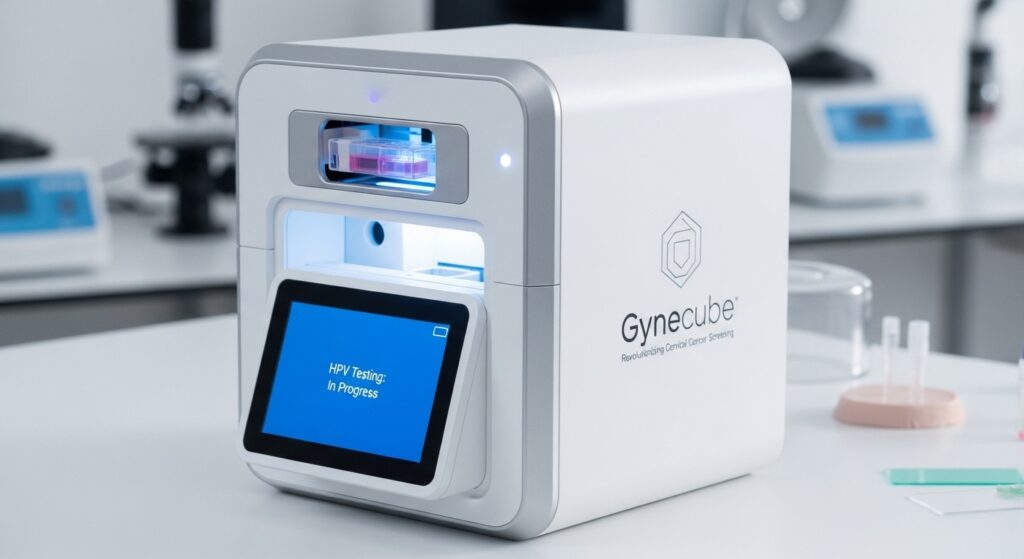
Advances in medical technology are transforming the way diseases are detected and prevented. One area that has seen significant progress is cervical cancer screening. Early detection of human papillomavirus (HPV), the primary cause of cervical cancer, plays a critical role in saving lives. Among the modern tools developed to support faster and more accurate testing is GyneCube, an automated diagnostic system designed to streamline HPV testing and improve screening efficiency.
GyneCube represents a new generation of molecular diagnostic devices that combine automation, accuracy, and rapid processing. By simplifying laboratory workflows, the system helps healthcare professionals detect HPV infections quickly and reliably.
Understanding HPV and Cervical Cancer
Before discussing GyneCube in detail, it is important to understand the health issue it addresses.
Human papillomavirus (HPV) is one of the most common viral infections affecting humans. Certain high-risk HPV strains are responsible for the majority of cervical cancer cases. Persistent infection with these high-risk strains can lead to abnormal cell changes in the cervix, which may eventually develop into cancer if not detected early.
According to global health organizations, regular screening for HPV and cervical abnormalities is one of the most effective ways to prevent cervical cancer. Early detection allows healthcare providers to monitor or treat precancerous conditions before they progress into serious disease.
Traditional screening methods such as Pap tests have been effective, but modern molecular testing technologies now provide even more accurate ways to detect HPV infections.
What Is GyneCube?
GyneCube is an automated molecular diagnostic platform developed for detecting high-risk HPV types in cervical samples. The device performs nucleic acid amplification testing (NAAT), which identifies genetic material from HPV viruses in patient samples.
The system was designed to simplify laboratory testing by integrating multiple steps—sample processing, amplification, and detection—into a compact automated unit. This reduces manual handling and improves testing efficiency.
GyneCube is primarily used in clinical laboratories, hospitals, and screening centers involved in cervical cancer prevention programs.
How GyneCube Works
The GyneCube system operates using molecular diagnostic technology that detects viral DNA. The testing process generally involves several steps:
1. Sample Collection
A cervical sample is collected from a patient using a swab or brush during a routine gynecological exam. The sample is then placed into a transport medium and sent to the laboratory.
2. Sample Preparation
Once the sample reaches the laboratory, it is prepared for testing. The sample is inserted into the GyneCube system along with testing reagents designed to detect HPV DNA.
3. DNA Amplification
GyneCube uses nucleic acid amplification technology to multiply the viral DNA present in the sample. This process makes it easier to detect even small amounts of HPV genetic material.
4. Automated Detection
After amplification, the system analyzes the genetic material and determines whether high-risk HPV strains are present. Results are then generated automatically.
This streamlined process significantly reduces the time and complexity involved in HPV testing.
Key Features of GyneCube
The popularity of GyneCube in medical laboratories is largely due to its advanced features and user-friendly design.
Automated Testing
One of the major advantages of GyneCube is its high level of automation. Laboratory staff can load samples into the system and allow the device to complete most of the testing steps independently.
Automation reduces the possibility of human error and improves overall reliability.
Rapid Results
GyneCube is designed to deliver results quickly. Rapid testing allows healthcare providers to obtain HPV screening results in a shorter timeframe compared to traditional laboratory workflows.
Faster results help physicians make timely clinical decisions.
High Sensitivity and Accuracy
Molecular diagnostic tests are known for their high sensitivity. GyneCube can detect small amounts of HPV DNA, which improves the chances of identifying infections early.
Accurate detection is essential for preventing the progression of cervical disease.
Compact Design
Unlike large laboratory analyzers, GyneCube features a compact design suitable for smaller clinical laboratories or screening facilities. This allows more healthcare centers to adopt advanced HPV testing technologies.
Simplified Workflow
The system reduces the number of manual steps required for testing. This simplified workflow saves time and helps laboratories manage higher testing volumes efficiently.
Benefits of GyneCube in Cervical Cancer Screening
The use of GyneCube in cervical cancer screening programs provides several important benefits.
Earlier Detection of HPV Infections
Because the system detects HPV DNA directly, it can identify infections before abnormal cell changes become visible under a microscope. Early detection is key to preventing cancer development.
Improved Laboratory Efficiency
Automation reduces manual work for laboratory technicians. This allows laboratories to process more samples while maintaining consistent quality.
Better Screening Programs
GyneCube can support large-scale screening programs by providing reliable and rapid HPV testing. Public health programs can use such technology to improve early detection rates.
Reduced Human Error
Automated systems minimize the risk of mistakes during sample processing and testing. This increases confidence in diagnostic results.
Comparison with Traditional Screening Methods
Traditional cervical cancer screening methods often rely on cytology tests, such as Pap smears, where cells are examined under a microscope.
While these tests are effective, molecular HPV testing offers several advantages:
| Feature | Pap Test | HPV Molecular Testing |
|---|---|---|
| Detection Method | Cell examination | Viral DNA detection |
| Sensitivity | Moderate | High |
| Early Detection | Limited | Earlier detection possible |
| Automation | Limited | High automation possible |
GyneCube represents the modern shift toward molecular diagnostics in preventive healthcare.
Role in Global Cervical Cancer Prevention
Global health organizations emphasize the importance of HPV screening in reducing cervical cancer rates. Technologies like GyneCube can play a significant role in expanding access to reliable screening tools.
In many countries, healthcare systems are transitioning toward HPV-based screening programs. Automated diagnostic platforms make it easier to implement these programs on a larger scale.
By improving testing efficiency and accuracy, GyneCube supports public health efforts aimed at eliminating cervical cancer as a major global health threat.
Challenges and Considerations
Despite its advantages, implementing advanced diagnostic systems like GyneCube can involve certain challenges.
Cost of Equipment
Modern molecular diagnostic devices can require significant initial investment. Smaller healthcare facilities may need funding support to adopt such technologies.
Training Requirements
Laboratory staff must be trained to operate new diagnostic equipment properly. Proper training ensures accurate results and efficient system operation.
Infrastructure Needs
Reliable laboratory infrastructure, including electricity and controlled environments, is necessary for operating molecular diagnostic equipment.
The Future of Automated Diagnostic Systems
The development of automated diagnostic technologies is expected to continue rapidly. Future improvements may include:
-
Faster testing speeds
-
Higher sample capacity
-
Integration with digital health systems
-
Artificial intelligence-assisted diagnostics
These advancements could further enhance the efficiency of cervical cancer screening and other diagnostic processes.
GyneCube represents an important step in this technological evolution, demonstrating how automation can transform laboratory medicine.
Conclusion
GyneCube is an innovative diagnostic platform designed to improve the detection of high-risk HPV infections. By combining automation, molecular testing technology, and rapid processing, the system helps laboratories deliver accurate screening results more efficiently.
As healthcare systems around the world prioritize early detection and preventive medicine, tools like GyneCube will play an increasingly important role in cervical cancer screening programs. Through improved diagnostic capabilities and streamlined workflows, such technologies contribute to better patient outcomes and stronger public health strategies.
Ultimately, advancements in diagnostic systems like GyneCube demonstrate how modern medical technology can support the global effort to prevent cervical cancer and promote healthier communities.