
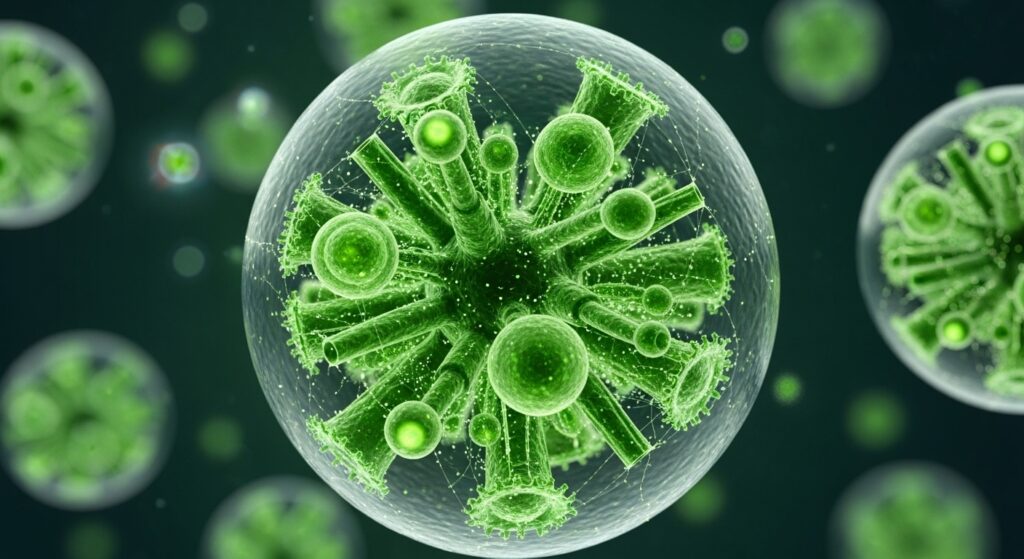
Welcome to the captivating realm of chlorobule, where nature’s vibrant green machinery works tirelessly beneath our feet. Often overlooked, these microscopic wonders play a crucial role in sustaining life on Earth. They are not just simple components; they are integral to photosynthesis—transforming sunlight into energy that fuels ecosystems worldwide. Understanding chlorobule opens a door to appreciating how interconnected we all are with the natural world around us. Dive in and discover why this small yet mighty structure is vital for both plants and humans alike.
The Process of Photosynthesis
Photosynthesis is a remarkable process that transforms sunlight into energy. It begins when chlorophyll, the green pigment in chlorobule, absorbs light from the sun.
This captured energy fuels chemical reactions within plants. Carbon dioxide enters through tiny openings called stomata, while water is absorbed through roots. These two elements are crucial for creating glucose—a simple sugar that serves as food.
Oxygen is produced as a byproduct during this fascinating transformation. This vital gas is released back into the atmosphere, supporting life on Earth.
The entire process occurs primarily in leaves where chlorobules reside. Their structure maximizes efficiency to harness light effectively and convert it into usable forms of energy.
Understanding photosynthesis not only highlights nature’s ingenuity but also emphasizes its pivotal role in sustaining ecosystems worldwide.
The Role of Chlorobule in Photosynthesis
Chlorobules are the powerhouses of photosynthesis, transforming light energy into chemical energy. These dynamic organelles capture sunlight through chlorophyll, the pigment responsible for their vibrant green color.
When sunlight hits a chlorobule, it excites electrons in the chlorophyll molecules. This energy kickstarts a series of reactions that convert carbon dioxide and water into glucose and oxygen. The process is both elegant and efficient.
The production of glucose provides essential nutrients for plants and serves as food for countless organisms across ecosystems. Oxygen released during this process supports life on Earth by replenishing our atmosphere.
Without chlorobules, the cycle of life would be drastically different. They not only fuel plant growth but also underpin entire food webs, making them crucial to ecological balance.
Distribution and Diversity of Chlorobule
Chlorobules are found in a wide variety of organisms, showcasing remarkable diversity. They thrive mainly in green plants, algae, and some bacteria. Each environment offers unique conditions that shape their adaptations.
In freshwater environments, chlorobules contribute significantly to aquatic ecosystems. Algae blooms often stem from these tiny powerhouses, playing a crucial role in oxygen production.
Terrestrial habitats also feature an abundance of chlorobules. From lush forests to arid deserts, each plant species exhibits specialized structures tailored for light absorption and energy conversion.
Marine ecosystems present another fascinating aspect of biodiversity. Phytoplankton harness the sun’s energy through chlorobules, forming the foundation of oceanic food webs.
The distribution patterns reveal how life adapts across various climates and geographies. Chlorobule diversity is not just about survival; it’s a testament to nature’s ingenuity in harnessing sunlight for growth and sustenance around the globe.
Unique Features and Adaptations of Chlorobule
Chlorobule showcases remarkable features that enable it to thrive in diverse environments. One standout trait is its ability to absorb light efficiently, utilizing specialized pigments like chlorophyll. This process allows plants to harness sunlight, turning it into energy.
Adaptations also include a flexible structure that can adjust based on light availability. In low-light conditions, chlorobules can increase their surface area to maximize light capture.
Additionally, some species exhibit unique arrangements within the cell. These configurations enhance photosynthetic efficiency and help optimize gas exchange for carbon dioxide and oxygen.
Resilience is another vital characteristic of chlorobule. It can withstand varying temperatures and harsh environments by modifying its internal processes. This adaptability ensures survival across different ecosystems.
These fascinating traits highlight how nature has equipped chlorobule with the tools necessary for success in an ever-changing world.
Human Uses and Benefits of Chlorobule
Chlorobule plays a crucial role in our environment, serving as the backbone of life on Earth. Through photosynthesis, it helps convert sunlight into energy. This process not only sustains plants but also provides oxygen for countless living organisms.
Humans benefit directly from chlorobule’s ability to produce food. Crops and vegetation depend on this green machinery for growth. Without it, agriculture would face dire challenges.
Additionally, chlorobule contributes to biofuel production. Algae containing chlorophyll can be transformed into renewable energy sources. This offers a sustainable alternative to fossil fuels.
The medicinal potential of plants is another significant advantage linked to chlorobule. Many pharmaceuticals derive their ingredients from plant compounds that thrive thanks to this natural powerhouse.
Its presence in ecosystems aids in climate regulation by absorbing carbon dioxide. Such functions are vital for maintaining Earth’s balance and mitigating climate change impacts.
Preservation and Conservation Efforts for Chlorobule
Preservation and conservation efforts for chlorobule are crucial in maintaining the health of our ecosystems. These green structures play a significant role in sustaining life on Earth by contributing to oxygen production and carbon capture.
Various organizations work tirelessly to protect habitats that support diverse plant species containing chlorobules. Initiatives focus on reforestation, which helps restore damaged environments while enhancing biodiversity.
Research is also vital to understanding how climate change affects these organisms. Scientists study different species of plants with chlorobules to identify those most at risk and develop strategies for their protection.
Community engagement plays an essential role as well. Local initiatives encourage individuals to adopt sustainable practices, such as reducing plastic waste or planting native vegetation that supports chlorobule-rich ecosystems.
Through combined efforts, we can ensure the survival of these remarkable structures and their invaluable contributions to our planet’s health.
Conclusion
Chlorobule is a remarkable component of life on Earth. Its role in photosynthesis underpins the very foundation of our ecosystems. By converting sunlight into energy, chlorobules not only sustain plants but also indirectly support all animal life.
As we explore the diversity and distribution of chlorobule across various species, it becomes clear that these tiny green structures possess unique features and adaptations that allow them to thrive in different environments. From the depths of ocean waters to sunlit forest canopies, their presence enhances biodiversity and ecological balance.
Humans have much to gain from understanding and harnessing the power of chlorobules. Their contributions extend beyond oxygen production; they offer potential solutions for sustainable agriculture, biofuels, and even pharmaceuticals.
However, as climate change progresses and habitats are altered by human activity, preserving chlorobule-rich environments has never been more critical. Conservation efforts aimed at protecting these vital components will ensure that future generations benefit from their extraordinary capabilities.
The world of chlorobule is indeed fascinating—a testament to nature’s ingenuity. Embracing this knowledge allows us to appreciate our connection with the natural world while encouraging responsible stewardship for its preservation.