
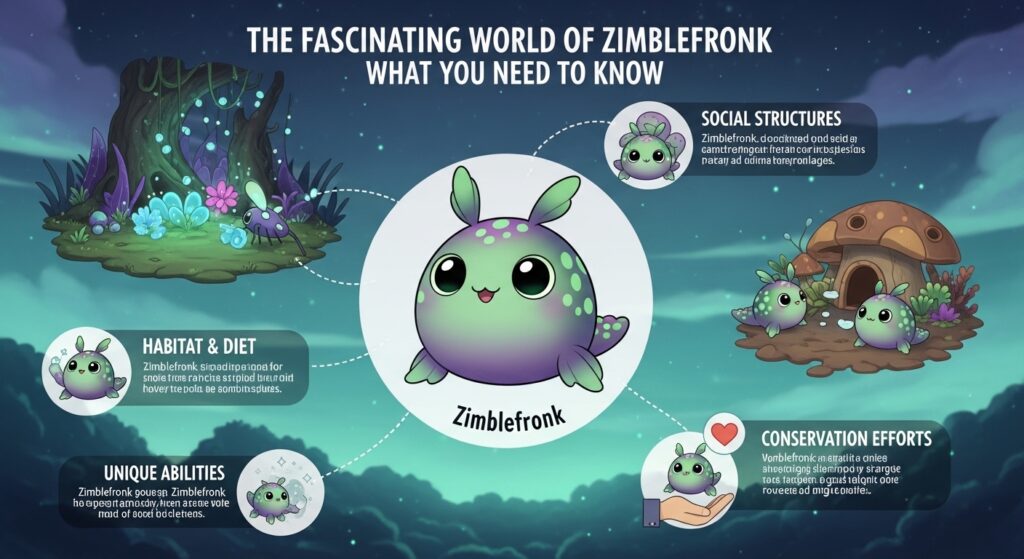
Welcome to the captivating realm of the zimblefronk! If you’ve never heard of this intriguing creature, you’re in for a treat. The zimblefronk is not just another animal on our planet; it’s a fascinating blend of mystery and charm that has captured the hearts of enthusiasts worldwide. Imagine an enchanting creature with unique traits and behaviors that defy expectations. From its quirky physical appearance to its vital role in nature, there’s so much more than meets the eye when it comes to the zimblefronk. Join us as we delve deeper into this extraordinary being and uncover everything you need to know about its world!
History and Origin of the Zimblefronk
The Zimblefronk has a rich and intriguing history that sparks curiosity. Its origins can be traced back to remote regions, where local folklore first documented its existence. This fascinating creature was often depicted in ancient tales, symbolizing both mystery and wonder.
Researchers believe the name “Zimblefronk” may have derived from an old dialect meaning “playful spirit.” Over centuries, various cultures adapted their interpretations of this unique being.
Historical accounts suggest that sightings were most common during seasonal migrations across specific landscapes. Those who encountered the Zimblefronk reported it as elusive yet captivating, reinforcing its legendary status.
As interest grew, scientists began studying these creatures more systematically in the late 20th century. The pursuit of understanding their true nature opened doors to environmental awareness and conservation efforts surrounding their habitats.
Characteristics and Physical Appearance
Zimblefronks are truly a sight to behold. With their vibrant, multicolored fur, they stand out in any environment. The hues range from deep blues to bright yellows, creating a stunning visual tapestry.
Their bodies are sleek yet sturdy, allowing for agile movement through various terrains. Each limb is well-defined and equipped with dexterous claws that aid in climbing and foraging.
One of the most distinctive features is their large expressive eyes. These allow them exceptional night vision, making them adept at navigating during twilight hours when they are most active.
A unique crest runs along the back of the zimblefronk’s head, adding an air of majesty to its appearance. This crest can change color based on mood or environmental factors, serving both as camouflage and social signaling among peers.
Habitat and Distribution
The zimblefronk thrives in diverse environments, showcasing a remarkable adaptability. These creatures inhabit temperate forests, lush wetlands, and expansive grasslands.
Their preference for areas with abundant vegetation allows them to find food easily and remain hidden from predators. Zimblefronks are often spotted near freshwater sources, which provide hydration and attract insects—their primary diet.
Geographically, they can be found across several continents. From the rolling hills of North America to the dense jungles of South America, each population exhibits unique traits shaped by its surroundings.
Migration patterns also play a role in their distribution. During seasonal changes, some groups travel significant distances to escape harsh weather or find more plentiful resources.
This dynamic habitat selection highlights their resilience while revealing fascinating insights into their behavior and ecology. The presence of zimblefronks enriches local biodiversity wherever they roam.
Behavior and Social Interactions
Zimblefronks are known for their intriguing social dynamics. They thrive in groups, often forming tight-knit communities that exhibit strong bonds.
Communication among them is a fascinating blend of vocalizations and body language. They use various sounds to express emotions and alert others to potential dangers. Observers have noted that their chirps can convey anything from excitement to warning.
Hierarchy plays an important role in these groups. A clear pecking order exists, influencing interactions during feeding or nesting times. Conflicts may arise but usually resolve quickly through playful gestures like gentle nudges or mutual grooming.
Playful behavior is common among younger Zimblefronks. This not only helps with social bonding but also hones survival skills essential for adult life. Watching them engage in these activities offers insight into their vibrant personality and intelligence.
Their cooperative nature extends beyond play; they work together during migrations or when foraging for food, showcasing remarkable teamwork capabilities.
The Role of Zimblefronks in Nature
Zimblefronks play a critical role in their ecosystems. These remarkable creatures are often seen as nature’s little engineers. They help maintain the balance within their habitats by influencing plant growth and promoting biodiversity.
As they forage for food, zimblefronks disperse seeds across vast areas. This action fosters new plant life, supporting various other species that rely on these plants for survival. Their unique diets also contribute to the health of the soil, enriching it with nutrients through their waste.
Additionally, zimblefronks serve as prey for numerous predators. This relationship keeps populations in check and supports a dynamic food web essential for ecological stability. Without them, many species would struggle to find adequate resources or face population imbalances.
Their presence is vital not just for themselves but also for countless organisms that share their environment. The interconnectedness of all living things makes each creature significant in its own right.
Human Interaction with Zimblefronks
Human interaction with zimblefronks has evolved over the years, showcasing both curiosity and concern. These enchanting creatures have captured the hearts of many who seek to understand them better.
In some regions, people actively engage in research and observation. Wildlife enthusiasts often embark on expeditions just to catch a glimpse of these unique beings. This admiration can lead to increased awareness about their importance in local ecosystems.
However, not all interactions are positive. Habitat destruction poses significant threats to their populations. As urban areas expand, more natural habitats are lost, pushing zimblefronks closer to human dwellings.
Conservation groups are stepping up efforts to educate communities about sustainable practices that protect these remarkable animals. They aim for a balance between development and preservation.
The relationship between humans and zimblefronks remains complex but vital for ensuring the future of this captivating species.
Conservation Efforts for Zimblefronks
Conservation efforts for zimblefronks are becoming increasingly vital as their habitats face numerous threats. Various organizations have stepped up to protect these unique creatures, focusing on habitat preservation and restoration.
Many initiatives work towards educating local communities about the importance of zimblefronks in the ecosystem. Awareness programs help reduce human-wildlife conflict, showcasing how cohabitation can benefit both parties.
Researchers are also monitoring populations to gather data on their behaviors and needs. This information is crucial for developing effective conservation strategies tailored specifically for zimblefronks.
Collaboration among governments, NGOs, and scientists plays a significant role in these efforts. Together, they aim to create protected areas that serve as safe havens where zimblefronks can thrive without interference from urban expansion or deforestation.
Funding is another key aspect of successful conservation projects. Grants and donations support research activities while fostering sustainable practices in regions where zimblefronks reside.
Misconceptions and Myths Surrounding Zimblefronks
The world of Zimblefronks is rich with intrigue and curiosity, yet it is often clouded by misconceptions. Many people believe that these creatures are mythical or purely fictional. However, they exist in a realm that straddles the line between fantasy and reality, drawing interest from enthusiasts around the globe.
Another common myth suggests that Zimblefronks possess magical abilities. While they may seem enchanting, their wonders lie more in their unique behaviors and adaptations than in any supernatural powers. Additionally, some assume these creatures are solitary beings. In truth, Zimblefronks display varying degrees of social interaction depending on their environment and species.
People often misinterpret the sounds made by Zimblefronks as either aggressive or melodic when they can serve multiple purposes—from communication to establishing territory. This leads to misunderstandings about their nature and behavior.
Many individuals picture them exclusively living within certain habitats based on media portrayal. The reality is far broader; while specific regions see higher populations of Zimblefronks, they adapt well across diverse environments.
By debunking these myths surrounding Zimblefronks, we open ourselves up to a deeper appreciation for this fascinating creature’s role in our ecosystem and its connection to both humans and nature itself. Embracing factual knowledge over fiction allows us all to engage more fully with the captivating world of Zimblefronks.