Imagine a world where sustainability isn’t just a buzzword, but a way of life. Enter Kompama, the unsung hero quietly transforming our approach to living in harmony with nature. While many are familiar with popular eco-friendly practices, few know about this remarkable concept that offers practical solutions for sustainable living. As we dive into the depths of Kompama, you’ll discover its rich history and how it’s redefining our relationship with the environment. Join us on this journey to uncover how embracing Kompama can lead us toward a greener future, one small step at a time.
History and Origins of Kompama
Kompama has roots deeply embedded in ancient practices. It emerged from the need for sustainable living solutions that harmonized with nature.
Historically, communities relied on local resources and traditional methods to thrive. This approach was not only about survival but also about respect for the environment.
The term “kompama” itself derives from cultural expressions emphasizing cooperation and harmony within ecosystems. As societies evolved, these principles found their way into modern sustainability movements.
Through centuries of trial and error, people learned valuable lessons about resource management. They discovered how to balance human needs with ecological preservation.
Today, Kompama serves as a reminder of those age-old traditions while adapting to contemporary challenges. It highlights the importance of collaboration between individuals and nature—a philosophy that remains relevant in our quest for a sustainable future.
The Principles of Kompama
Kompama embodies a set of core principles that guide its approach to sustainable living. At the heart lies respect for nature and all its resources. This principle encourages individuals to make mindful choices about how they interact with their environment.
Another essential tenet is community engagement. Kompama fosters strong relationships among people, promoting collaboration and shared responsibility for sustainability efforts.
Furthermore, adaptability plays a vital role. The practices of Kompama are flexible, allowing them to evolve based on local conditions and cultural contexts. This ensures that solutions remain relevant and effective over time.
Education serves as a foundational pillar. By empowering individuals through knowledge, Kompama cultivates awareness about environmental issues and inspires proactive change within communities. Each principle interconnects seamlessly to create an impactful framework for sustainable living.
How Kompama Promotes Sustainability
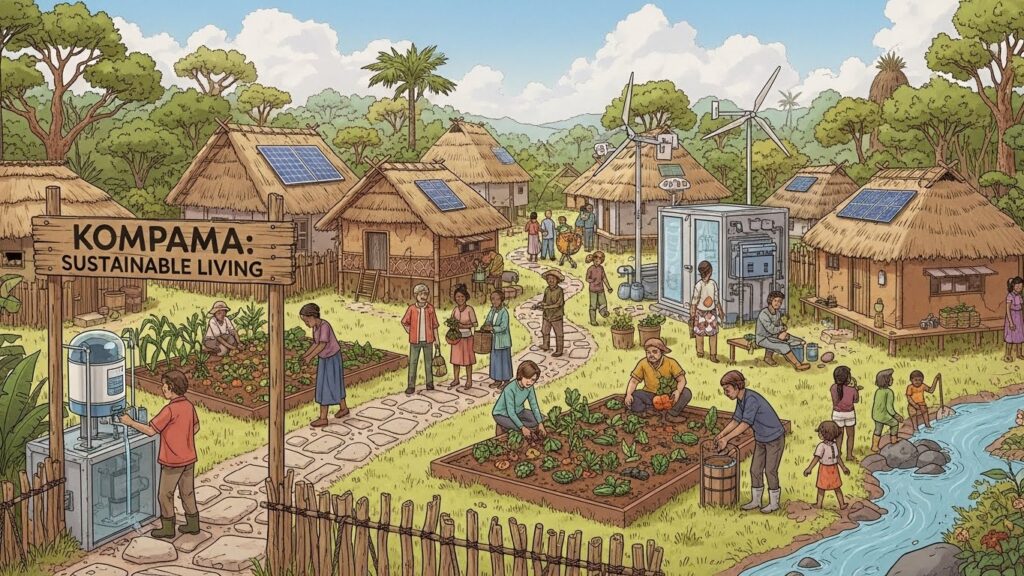
Kompama promotes sustainability by integrating eco-friendly practices into everyday life. It emphasizes the importance of local resources, encouraging communities to rely on what is readily available.
By prioritizing minimal waste, Kompama fosters a circular economy. This approach reduces reliance on mass production and encourages recycling and repurposing materials.
Additionally, it champions biodiversity through sustainable agriculture techniques. Communities adopting Kompama often embrace organic farming, which protects soil health and enhances food security.
Education plays a crucial role in this movement. By raising awareness about environmental issues, individuals become more conscious consumers. They make choices that support local economies while reducing their carbon footprint.
Kompama also nurtures community connections. By collaborating with neighbors for shared projects or initiatives, it builds resilience against climate change impacts while strengthening social bonds within neighborhoods.
Examples of Kompama in Action
Kompama manifests itself in various innovative ways, showcasing its versatility in sustainable living. Community gardens are a prime example, where residents collaborate to cultivate shared green spaces. These gardens not only provide fresh produce but also foster community spirit.
In urban settings, repurposed buildings illustrate Kompama principles beautifully. Old warehouses transformed into eco-friendly housing units exemplify resourcefulness while reducing waste and carbon footprints.
Another compelling instance is the rise of zero-waste stores that embody Kompama’s ethos by promoting bulk buying and reusable containers. Shoppers can significantly cut down on packaging waste through conscious consumption choices.
Kompama’s influence extends to fashion as well; brands focusing on upcycled materials demonstrate how sustainability can blend seamlessly with style. Each initiative highlights creativity and commitment to our planet’s health, making a lasting impact on communities and ecosystems alike.
Benefits of Adopting Kompama Practices
Adopting Kompama practices offers a wealth of benefits for both individuals and communities. One key advantage is the promotion of resource efficiency. By focusing on sustainable methods, people can significantly reduce waste.
Additionally, embracing Kompama fosters stronger community ties. Working together on sustainable projects encourages collaboration and shared goals, enriching social bonds.
The financial impact shouldn’t be overlooked either. Lower energy costs result from implementing eco-friendly solutions, leading to savings over time.
Moreover, adopting these practices enhances personal well-being. A lifestyle rooted in sustainability often leads to healthier choices and a greater sense of purpose.
Engaging with Kompama cultivates environmental awareness. As more individuals adopt these principles, it creates a ripple effect that inspires others to make positive changes in their own lives.
Challenges and Solutions for Implementing Kompama
Implementing Kompama can pose several challenges. One major hurdle is the lack of awareness among communities. People often resist change or feel overwhelmed by the concept of sustainable living.
Another issue lies in resources. Many individuals and organizations may not have access to the necessary tools or funding to start their Kompama journey effectively. This barrier can slow down progress significantly.
However, solutions exist. Education plays a vital role in bridging gaps in knowledge about Kompama principles. Workshops and community programs can foster understanding and enthusiasm.
Additionally, collaboration between local governments, businesses, and residents can help pool resources for sustainability initiatives. Sharing success stories from those who have embraced Kompama creates motivation for others to follow suit.
By addressing these challenges head-on with innovative approaches, more people will feel empowered to adopt practices that promote a greener future through Kompama principles.
The Future of Kompama and Its Impact on Sustainable Living
The future of Kompama looks promising as it gains traction among eco-conscious communities. Its principles resonate well with the growing demand for sustainable living solutions.
Emerging technologies will play a pivotal role in enhancing Kompama practices. Innovations in renewable energy and waste management could streamline these methods, making them more accessible to individuals and businesses alike.
Education is another key factor. As awareness increases, younger generations are embracing Kompama’s philosophy. This cultural shift can lead to long-lasting changes in consumption patterns and resource utilization.
Collaboration between governments, NGOs, and local communities will further amplify its impact. By working together, they can create policies that support sustainable initiatives inspired by Kompama.
As society faces climate challenges head-on, integrating Kompama into daily life offers hope for resilience and restoration of our planet’s health. The journey towards sustainability continues to evolve with this powerful approach at the forefront.
Conclusion: Embracing the Power of Kompama for a Greener
Kompama embodies a hopeful vision for sustainable living. By embracing its principles, individuals and communities can foster resilience against environmental challenges. The potential of Kompama goes beyond mere practices; it signifies a cultural shift towards mindfulness in our consumption and interaction with nature.
As we adopt Kompama’s ethos, we empower ourselves to make conscious choices that contribute to the planet’s well-being. This is not just about reducing waste or conserving resources—it’s about creating a lifestyle that honors the interconnectedness of all life.
The journey may have its hurdles, but the rewards are increasingly evident. A commitment to Kompama enriches our lives, enhances community ties, and nurtures our environment. As more people discover this unsung hero of sustainability, its impact will undoubtedly ripple outwards.
Embracing the power of Kompama helps pave the way for greener futures filled with possibility and hope—a legacy worth striving toward for generations to come.