
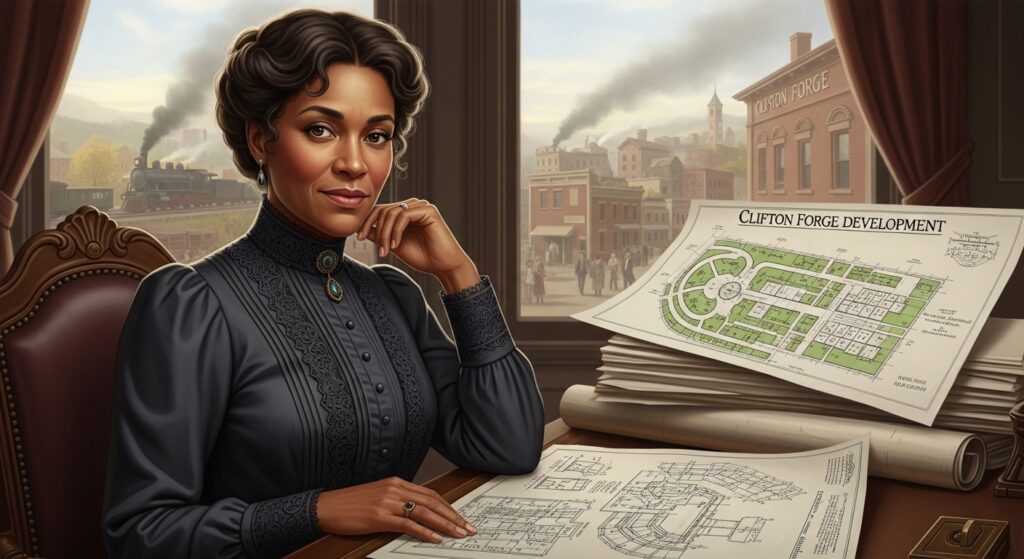
When discussing the early development of rail towns in the American South, the name Otelia Cox stands out as a figure of quiet strength and cultural influence. Otelia Cox played a significant role in shaping the identity of Clifton Forge, Virginia, during a transformative period in the late 19th century. Though often remembered in connection with her husband, her legacy reflects creativity, refinement, and a lasting impact on community development.
In an era when women’s contributions were frequently overlooked, Otelia Cox left a distinctive mark that continues to be recognized today.
Early Life and Background
Otelia Cox was born into a respected Virginia family in the mid-1800s. Growing up in the South during a period marked by political and economic upheaval, she experienced firsthand the cultural transitions that shaped post–Civil War America.
Her upbringing emphasized education, social responsibility, and cultural appreciation—qualities that later influenced her involvement in civic and community life.
Marriage to General William Mahone
Otelia Cox married William Mahone, a Confederate general and railroad builder who later became a U.S. senator. After the Civil War, Mahone focused on rebuilding and expanding railroad infrastructure in Virginia, including the development of the Chesapeake and Ohio Railway lines.
While Mahone is often credited with railroad expansion, Otelia Cox’s influence extended beyond domestic support. She was actively involved in decisions that shaped the character of emerging towns along the railway routes.
The Naming of Clifton Forge
One of the most charming and enduring aspects of Otelia Cox’s legacy lies in the naming of stations along the railroad. According to local tradition, she participated in selecting names for stops along the line based on characters from Sir Walter Scott’s novel Ivanhoe.
Communities such as Clifton Forge, Iron Gate, and other nearby towns were influenced by literary inspiration. This creative contribution added a cultural layer to the practical expansion of rail infrastructure.
Clifton Forge, in particular, became closely associated with Otelia Cox’s vision and refinement. The town grew into an important railroad hub, blending industry with community life.
Cultural Influence in a Growing Railroad Town
As Clifton Forge expanded, Otelia Cox became known for her involvement in social and civic affairs. Railroad towns were often rough and rapidly constructed, but her presence helped bring a sense of stability and culture.
She contributed to:
-
Community organization
-
Social gatherings
-
Educational initiatives
-
Support networks for families connected to the railroad industry
Her leadership helped foster a sense of belonging in a town shaped by industrial growth.
Women’s Roles in the 19th Century South
Understanding Otelia Cox’s impact requires context. During the 1800s, women were rarely acknowledged as public influencers, especially in infrastructure or political matters.
Yet many women shaped communities behind the scenes through:
-
Cultural leadership
-
Educational advocacy
-
Philanthropy
-
Social coordination
Otelia Cox exemplified how women contributed meaningfully to social development, even when official recognition was limited.
Legacy in Clifton Forge
Today, the town of Clifton Forge continues to honor its historical roots. Local stories and historical accounts frequently reference Otelia Cox’s role in shaping the community’s identity.
Her influence is often remembered through:
-
Historical tours
-
Community storytelling
-
Preservation of 19th-century architecture
-
Local heritage celebrations
By contributing to the town’s naming and cultural character, she left a legacy woven into its foundation.
The Intersection of Literature and Infrastructure
One of the most fascinating aspects of Otelia Cox’s story is the blending of literature with industrial progress. Railroad expansion was primarily a technical and economic endeavor. However, by incorporating literary themes into station names, she infused creativity into a practical enterprise.
This intersection highlights:
-
The power of storytelling in shaping identity
-
The human element within industrial growth
-
The lasting influence of cultural imagination
Through this lens, Otelia Cox represents a bridge between art and industry.
Personal Strength During Political Change
The post–Civil War era in Virginia was politically complex. William Mahone became involved in state and national politics, navigating Reconstruction and shifting alliances.
During this time, Otelia Cox maintained her social leadership role, balancing family responsibilities with public engagement. Her resilience during periods of political tension underscores her quiet strength and adaptability.
Remembering Otelia Cox Today
Modern historical scholarship increasingly recognizes the importance of women like Otelia Cox. Though she may not have held public office, her contributions to community identity and cultural enrichment were significant.
Her story reminds us that history is shaped not only by generals and politicians but also by individuals who nurture communities and influence their character.
Why Otelia Cox’s Story Matters
The story of Otelia Cox offers valuable insights into:
-
The overlooked roles of women in history
-
The cultural dimensions of infrastructure development
-
The shaping of small-town America
-
The enduring power of literature in public life
Her influence on Clifton Forge demonstrates how vision and creativity can leave a lasting mark—even in industrial settings.
Conclusion
Otelia Cox was more than the wife of a railroad magnate; she was a cultural contributor whose literary sensibility and civic engagement helped shape a growing Virginia town. Through her involvement in naming railroad stations and fostering community development, she added refinement and imagination to a period defined by expansion and rebuilding.
Today, her legacy lives on in Clifton Forge’s heritage and the stories that celebrate her role in its early development. Otelia Cox stands as a testament to the subtle yet powerful ways individuals can influence history, culture, and place.