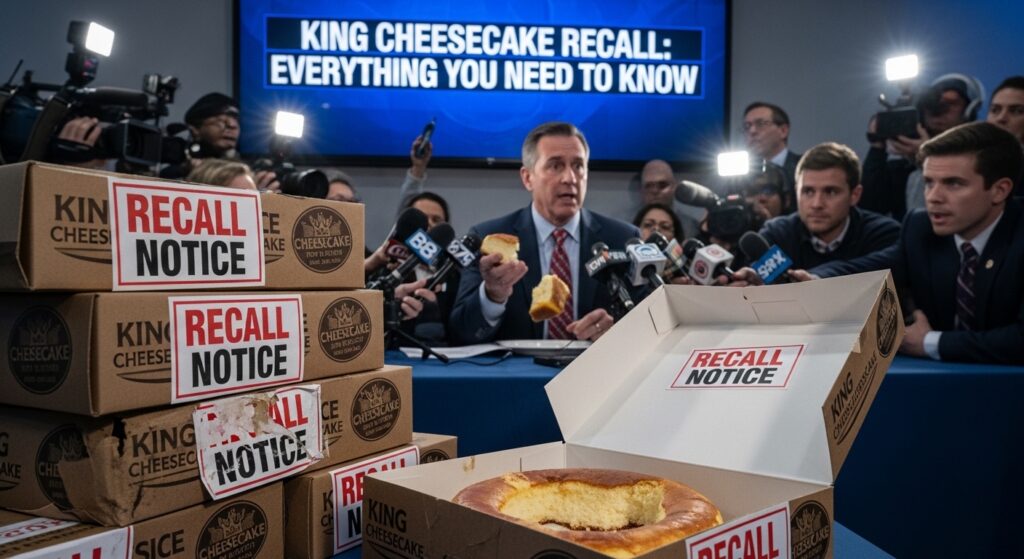
Recent news has drawn attention to a King Cheesecake recall, affecting consumers and retailers across several regions. Food recalls are serious matters, as they can pose health risks, impact brand reputation, and disrupt supply chains. Understanding the reason behind the recall, affected products, and safety guidelines is essential for anyone who has purchased or consumed King Cheesecake products.
This article provides a comprehensive overview of the King Cheesecake recall, including its causes, impact, and steps consumers should take.
Reason Behind the King Cheesecake Recall
Possible Contamination Issues
The King Cheesecake recall was initiated due to potential contamination that could pose health risks. Contaminants in food products are commonly bacterial, chemical, or physical in nature.
For this recall, authorities reported concerns related to:
- Listeria monocytogenes – a bacteria that can cause severe illness in pregnant women, elderly individuals, and people with weakened immune systems.
- Salmonella contamination – another foodborne pathogen that can lead to gastrointestinal illness.
Manufacturers often issue recalls when there’s a risk that contaminated products may have reached consumers.
Labeling and Packaging Concerns
In some cases, the King Cheesecake recall may also include products with mislabeling issues, such as:
- Missing allergen information
- Incorrect expiration dates
- Misprinted batch numbers
These labeling errors can pose serious risks for individuals with food allergies.
Products Affected by the Recall
Specific Varieties
The recall may not affect all King Cheesecake products. Typically, manufacturers provide a list of:
- Product names
- Package sizes
- Batch numbers or production codes
- Expiration dates
Consumers should carefully check their purchased products against this official list to determine whether they are affected.
Where Products Were Sold
King Cheesecake products affected by the recall were primarily sold at:
- Major grocery stores
- Online retail platforms
- Specialty dessert shops
The recall may also apply to products distributed across multiple states or regions, depending on the company’s distribution network.
Health Risks Associated with the King Cheesecake Recall
Symptoms of Foodborne Illness
Consuming a recalled product can lead to foodborne illness. Symptoms may vary depending on the type of contamination but can include:
- Nausea and vomiting
- Diarrhea
- Fever
- Abdominal cramps
- Severe complications in vulnerable populations
Individuals experiencing these symptoms after consuming King Cheesecake products should seek medical attention immediately.
High-Risk Groups
The King Cheesecake recall is especially critical for:
- Pregnant women
- Elderly individuals
- Young children
- People with compromised immune systems
These groups are more likely to experience severe illness if exposed to contaminated products.
Actions Consumers Should Take
Checking Products
Consumers should:
- Review the recall notice carefully.
- Check their King Cheesecake products for affected batch numbers or expiration dates.
- Avoid consuming any items that match the recall list.
Returning or Disposing of Products
Affected products should either be:
- Returned to the store for a refund or replacement
- Safely disposed of, following local guidelines for food disposal
Reporting Illness
If someone becomes ill after consuming a recalled product, it’s important to report the incident to:
- Local health authorities
- The Food and Drug Administration (FDA) or relevant regulatory agency
- The manufacturer’s customer service department
Reporting helps authorities track contamination sources and prevent further outbreaks.
Company Response to the Recall
Communication and Transparency
In response to the recall, King Cheesecake has:
- Issued public statements regarding the affected products
- Contacted retailers to remove products from shelves
- Provided guidance for consumers on identifying and returning recalled items
Transparent communication is crucial in maintaining consumer trust during a recall.
Preventive Measures
The company may also implement additional safety measures to prevent future incidents, such as:
- Enhanced quality control procedures
- Increased testing for pathogens
- Improved labeling and tracking systems
Impact on Retailers and the Market
Retailer Responsibilities
Retailers must comply with the recall by:
- Removing affected products from shelves
- Notifying customers if purchased products are impacted
- Coordinating returns and refunds with the manufacturer
Failure to act can result in legal penalties and reputational damage.
Market Implications
The King Cheesecake recall can affect consumer confidence in the brand and similar dessert products. Companies often experience temporary declines in sales and must take steps to rebuild trust.
How to Stay Informed
Official Channels
Consumers can stay updated on the King Cheesecake recall through:
- Company websites and social media
- Government recall databases (e.g., FDA or USDA websites)
- News outlets reporting on food safety
Safety Tips
- Always check batch numbers before consuming perishable items.
- Store desserts at recommended temperatures to minimize bacterial growth.
- Wash hands and utensils when handling recalled products to prevent cross-contamination.
Conclusion
The King Cheesecake recall serves as a reminder of the importance of food safety and vigilance. While the recall may cause inconvenience, following official guidance can prevent illness and ensure consumer protection.
By checking products, returning affected items, and staying informed, consumers can safely navigate this situation. Meanwhile, retailers and manufacturers are taking steps to improve quality control and prevent future recalls, ensuring that indulgent treats like King Cheesecake remain safe and enjoyable.