The internet hosts a wide variety of digital platforms designed for sharing and discovering content. Some websites focus on social networking, others on entertainment, and many operate as media-sharing platforms where users can upload and view different types of content. One name that sometimes appears in online searches is Eromw. While not as widely recognized as major social media platforms, it has attracted curiosity from users exploring niche websites on the internet.
This article explains what Eromw refers to, how platforms with similar names typically function, their features, and the broader context of user-generated media platforms.
What Is Eromw?
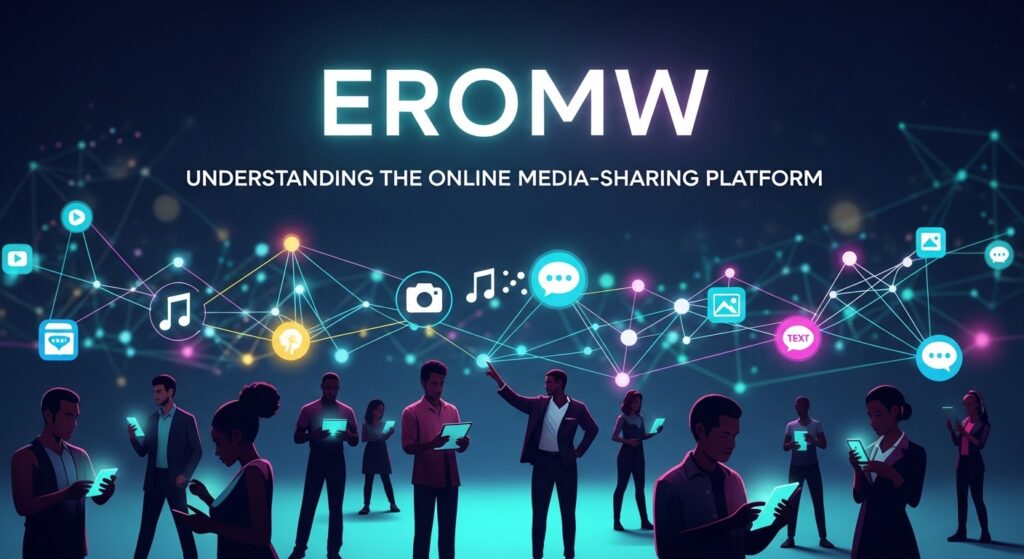
Eromw is commonly recognized as a website name associated with online media-sharing platforms. Websites with similar naming patterns usually operate as content hubs where users can upload, organize, and view digital media such as images or videos.
The term “hub” in website naming often suggests a central place where content from different creators is gathered and made accessible to visitors. These types of platforms rely heavily on user-generated content, meaning that most of the material available on the site is uploaded by individual users rather than produced by the platform itself.
Because the internet contains many sites with similar structures and purposes, Eromw is often discussed within the wider ecosystem of media-hosting and content-sharing websites.
The Rise of User-Generated Content Platforms
To understand the role of platforms like Eromw, it is important to look at the broader trend of user-generated content on the internet.
In the early days of the web, most websites were static pages created by organizations or businesses. Over time, technology made it easier for individuals to upload and share their own content. This shift transformed the internet into a participatory environment where users actively create, share, and interact with digital media.
Today, user-generated platforms allow people to:
-
Share photos, videos, and other media
-
Discover content created by others
-
Join communities with shared interests
-
Interact through comments, ratings, or reactions
These platforms have become an essential part of modern internet culture.
How Media-Sharing Platforms Work
Platforms similar to Eromw typically follow a straightforward structure designed to make uploading and viewing content simple.
Content Uploading
Registered users usually have the option to upload media files directly to the platform. These files can then be organized into albums, galleries, or collections. This helps creators keep their content structured and easy for viewers to browse.
Content Browsing
Visitors to the site can explore available content using several methods, such as:
-
Browsing categories
-
Searching with keywords
-
Viewing popular or trending uploads
These browsing features help users discover content that matches their interests.
User Accounts
Many platforms allow users to create personal accounts. Having an account may provide additional features such as:
-
Saving favorite content
-
Creating personal collections
-
Uploading media
-
Interacting with other users
Accounts help build a sense of community and allow users to personalize their experience.
Tagging and Organization
Content tagging is another common feature of media platforms. When users add tags to their uploads, it becomes easier for others to find related material.
Tags help categorize large amounts of content and improve the overall search experience.
Why People Use Media Platforms
There are several reasons why individuals visit online media-sharing websites.
Entertainment
Entertainment is one of the main motivations for exploring digital media platforms. Online content offers a wide variety of visual experiences that can be accessed quickly and easily.
Content Discovery
Users often visit platforms like Eromw to discover new creators, artistic styles, or trends. Browsing different categories can expose viewers to content they might not have encountered elsewhere.
Creative Expression
For creators, media platforms provide a place to showcase their work. Artists, photographers, and content creators can share their creations with a global audience.
Community Engagement
Many media-sharing sites develop communities centered around shared interests. Users may interact through comments, discussions, or collaborative projects.
Privacy and Safety Considerations
When visiting lesser-known websites, it is important for users to consider privacy and security.
Protecting Personal Information
Users should avoid sharing sensitive personal data on unfamiliar platforms. Information such as home addresses, financial details, or private identification numbers should never be disclosed.
Using Secure Passwords
If creating an account on any platform, it is recommended to use strong and unique passwords to protect personal accounts from unauthorized access.
Safe Browsing Practices
Keeping browsers and security software updated can help protect devices from potential threats while exploring the internet.
Responsible Use of Online Content
Another important aspect of using media platforms is respecting content ownership and community guidelines.
Users should avoid uploading material that violates copyright rules or the rights of other individuals. Responsible sharing helps maintain a respectful online environment and supports ethical digital practices.
Creators also benefit when their work is credited and shared appropriately.
The Role of Digital Platforms in Modern Culture
Media-sharing platforms have significantly influenced how people interact with digital content. They allow individuals from different parts of the world to share ideas, creativity, and experiences.
These platforms have also changed how audiences consume media. Instead of relying only on traditional sources such as television or print publications, people now discover content through online communities and independent creators.
As a result, the internet has become a powerful tool for communication, creativity, and cultural exchange.
The Evolution of Online Media Platforms
The technology behind media platforms continues to evolve rapidly. Modern websites now incorporate advanced features such as:
-
Artificial intelligence recommendations
-
Personalized content feeds
-
High-speed streaming technology
-
Mobile-friendly interfaces
These innovations make it easier for users to access content from smartphones, tablets, and other portable devices.
As technology continues to advance, platforms like Eromw and others in the same category may adapt by introducing new tools that enhance the user experience.
The Importance of Digital Literacy
With the large number of online platforms available today, digital literacy has become an essential skill. Digital literacy involves understanding how to navigate the internet safely, evaluate sources of information, and recognize potential risks.
Users who develop strong digital literacy skills are better equipped to explore online platforms responsibly and confidently.
Conclusion
Eromw is a name associated with online media-sharing platforms where users can upload and explore digital content. Like many user-generated websites, it operates within the broader ecosystem of internet platforms designed for sharing images, videos, and other forms of media.
As with any online service, it is important for users to approach such platforms with awareness of privacy, security, and responsible content sharing. By practicing safe browsing habits and respecting digital communities, individuals can enjoy the diverse experiences that the internet offers.
The continued growth of media-sharing platforms highlights the evolving nature of digital communication and creativity, demonstrating how the internet remains a powerful space for content discovery and global interaction.