
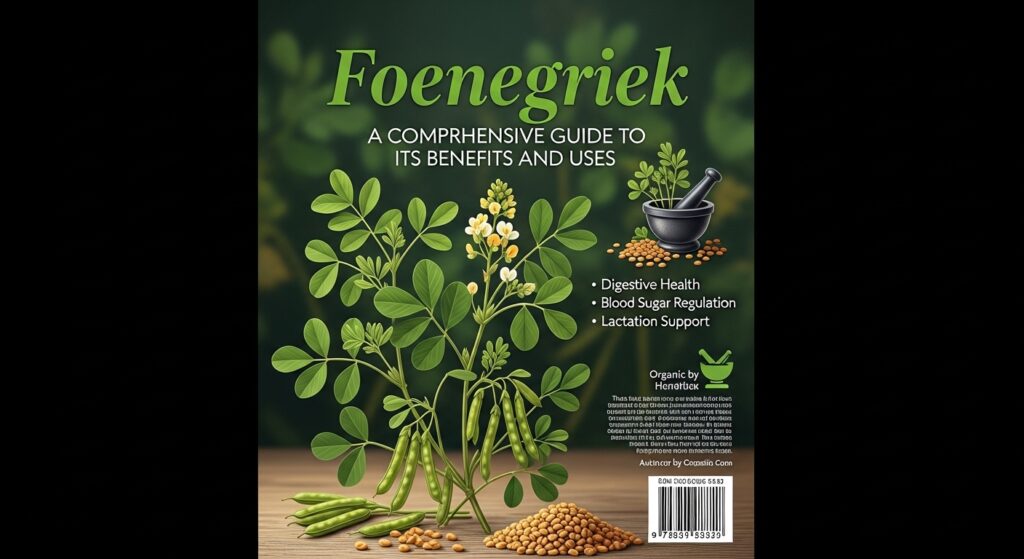
Have you ever heard of foenegriek? This seemingly humble seed, also known as fenugreek, is packed with history and health benefits that might just surprise you. From its ancient roots to its modern culinary uses, foenegriek has carved out a space for itself in kitchens and medicine cabinets around the world. Whether you’re a food enthusiast or someone seeking natural remedies, understanding this remarkable herb can open up a world of possibilities. Let’s embark on an exciting journey to uncover the many facets of foenegriek—its origins, nutritional value, health perks, and ways to incorporate it into your daily life!
History and Origin of Foenegriek
Foenegriek, commonly known as fenugreek, has a rich history that dates back thousands of years. This herb originated in the Mediterranean region and is believed to have been cultivated by ancient Egyptians.
Historical texts suggest that it was not only used for culinary purposes but also held medicinal significance. Fenugreek seeds were found in Egyptian tombs, indicating their value in rituals and healing practices.
The plant later spread through the Middle East and into Asian cuisines, especially Indian dishes, where it continues to thrive today.
In traditional Ayurvedic medicine, foenegriek has been revered for its numerous health benefits. Its versatility made it an essential ingredient across cultures from ancient times to modern kitchens.
Today, this remarkable herb remains popular globally due to its unique flavor profile and nutritional properties.
Nutritional Value of Foenegriek Seeds
Foenegriek seeds, often known as fenugreek, pack a powerful nutritional punch. These tiny seeds are rich in essential nutrients that contribute to overall health.
They are an excellent source of protein and dietary fiber. This combination can support digestion and promote satiety, making them a great addition to meals for those looking to manage their weight.
Additionally, foenegriek seeds contain vitamins like B6 and minerals such as iron and magnesium. These elements play crucial roles in energy production and maintaining healthy bodily functions.
Antioxidants present in the seeds help combat oxidative stress. This can enhance your immune system while reducing inflammation throughout the body.
With their impressive nutrient profile, foenegriek seeds serve not just as a flavor enhancer but also as a functional food that promotes better health!
Health Benefits of Foenegriek
Foenegriek, also known as fenugreek, boasts a wealth of health benefits. This remarkable herb is rich in antioxidants and compounds that promote overall well-being.
One notable advantage is its ability to support digestive health. The soluble fiber found in foenegriek can aid digestion and relieve constipation.
Moreover, studies suggest it may help regulate blood sugar levels. For those managing diabetes, incorporating foenegriek could be beneficial.
Its anti-inflammatory properties are another highlight. Foenegriek may assist in reducing inflammation throughout the body.
Additionally, this herb has been linked to hormonal balance, making it useful for women dealing with menstrual discomfort or menopause symptoms.
With such diverse advantages, foenegriek emerges as a potent addition to any health-conscious diet.
Culinary Uses of Foenegriek in Different Cuisines
Foenegriek, or fenugreek, adds a distinctive flavor to dishes across various cuisines. In Indian cooking, its leaves are often used in curries and dals, imparting a slightly bitter taste that balances rich spices.
Middle Eastern cuisine incorporates foenegriek seeds into spice blends like za’atar. This aromatic mix enhances the flavors of meats and breads alike.
In Mediterranean regions, you’ll find it as an ingredient in sauces and marinades. The nutty undertones enrich roasted vegetables or grilled fish beautifully.
Even in some African dishes, foenegriek plays a role as both seasoning and thickening agent for stews. Its versatility makes it suitable for numerous culinary applications.
Additionally, health-conscious cooks sprinkle ground foenegriek on smoothies or oatmeal for an extra nutrient boost without overpowering other flavors.
Other Uses of Foenegriek in Traditional Medicine and Skincare
Foenegriek, often recognized for its culinary uses, has a rich history in traditional medicine. Ancient cultures valued this herb for its healing properties. It’s believed to alleviate digestive issues and boost overall health.
In skincare, foenegriek is gaining popularity. Its anti-inflammatory attributes make it an excellent choice for soothing irritated skin. Many people use foenegriek paste to treat acne or minor wounds due to its natural antibacterial qualities.
Furthermore, some utilize it as a hair treatment. Foenegriek can promote hair growth and reduce dandruff when used as an oil or mask. This versatility makes it a treasured ingredient across various beauty regimes.
Whether consumed as tea or applied topically, foenegriek showcases remarkable benefits that extend beyond the kitchen table into holistic wellness practices.
How to Incorporate Foenegriek into Your Diet
Incorporating foenegriek into your diet is simple and rewarding. Start by adding the seeds to your morning smoothie for a nutritious boost. They can also be ground into powder and sprinkled on salads or mixed into yogurt. This not only enhances flavor but also packs in additional health benefits.
If you enjoy cooking, use foenegriek seeds as a spice in various dishes. They work beautifully in curries, lentil soups, and even homemade bread recipes. Experimenting with this versatile ingredient can elevate traditional meals while contributing to overall wellness.
For those who prefer herbal teas, soaking foenegriek seeds overnight and steeping them in hot water creates a comforting drink that’s both soothing and beneficial. You might find it an excellent way to introduce this superfood without altering your regular meal plans significantly.
Consider incorporating foenegriek supplements if you’re looking for convenience. However, it’s always wise to consult with a healthcare provider before starting any new supplement regimen.
Whether through culinary adventures or nutritional enhancements, making room for foenegriek in your daily routine opens doors to numerous health benefits while celebrating its rich history and versatility across cultures.