
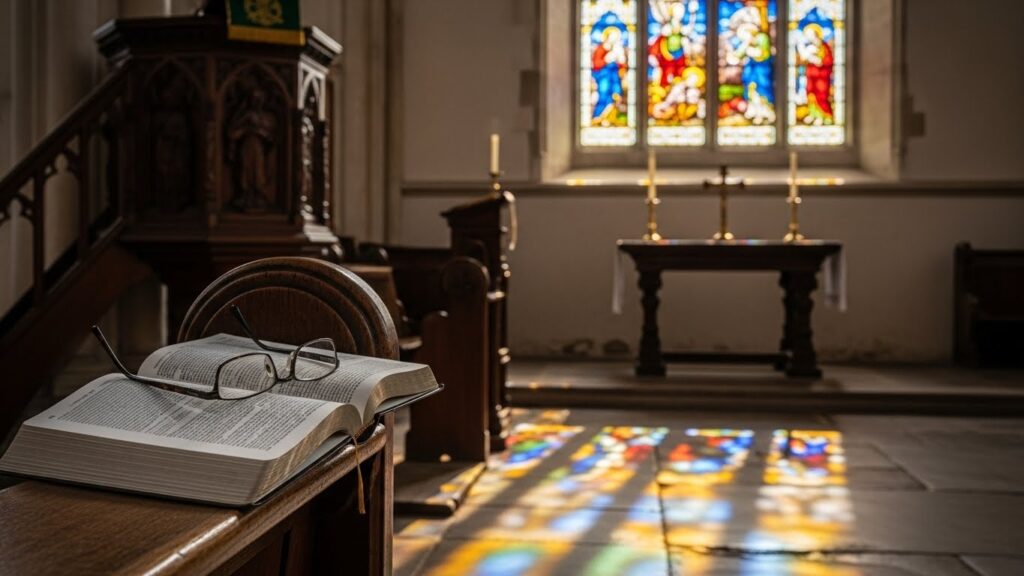
The term “kerkt” is most commonly understood as a variation or informal spelling of “kerk,” a word used in Dutch and related languages to mean church. In many contexts, kerkt may appear due to pronunciation habits, typing variations, or grammatical usage, but its core reference remains connected to the church as a religious, cultural, and social institution.
This article explores what kerkt / kerk represents, its historical roots, cultural importance, and its role in modern society.
Meaning and Interpretation of Kerkt
At its core, kerk refers to a place of worship, especially within Christianity. It can describe both:
-
The physical building where religious services are held
-
The community of believers associated with that place
When written as kerkt, it is often interpreted as an informal or incorrect variation of kerk, or in some cases a verb-related or contextual form depending on usage. Despite this, the intended meaning is usually clear and understood as relating to the church.
Historical Origins of the Church
The concept of the church dates back nearly two thousand years to the early Christian communities. Initially, believers gathered in private homes, but over time, dedicated structures were built for worship, prayer, and communal gatherings.
Throughout medieval Europe, churches became central to daily life. They served not only as religious centers but also as places for education, governance, and social organization. The architecture of historic churches still reflects this importance, with grand designs symbolizing faith, power, and unity.
Architectural and Artistic Importance
Church buildings are among the most significant architectural achievements in history. From simple wooden chapels to massive stone cathedrals, churches reflect the artistic and technological capabilities of their time.
Key architectural styles include:
-
Romanesque
-
Gothic
-
Baroque
-
Modern minimalist church design
Inside churches, art plays a vital role. Paintings, sculptures, stained glass windows, and carvings are often used to tell biblical stories and convey spiritual meaning, especially during periods when literacy was limited.
Religious and Spiritual Role
The primary function of the church is spiritual. It is a place for:
-
Worship and prayer
-
Religious ceremonies such as baptisms, weddings, and funerals
-
Teaching moral and spiritual values
For believers, the church represents a connection to faith, tradition, and a higher purpose. Even today, churches remain spaces for reflection, guidance, and spiritual comfort.
Social and Community Function
Beyond religion, the church has long served as a community center. Historically, it was a gathering place where people shared news, resolved conflicts, and supported one another.
In modern society, many churches continue this role by offering:
-
Charity and aid programs
-
Counseling and support services
-
Community events and education
This social function makes the church relevant even to those who may not actively practice religion.
Cultural Significance in Europe and Beyond
In countries such as the Netherlands, Germany, Norway, and other parts of Europe, the kerk is deeply embedded in national identity and cultural history. Churches often stand at the heart of towns and cities, symbolizing continuity and tradition.
Religious holidays, festivals, and rituals connected to the church shape cultural calendars and influence music, art, and public life. Even secular societies recognize churches as important cultural landmarks.
The Church in Modern Society
In recent decades, the role of the church has evolved. While attendance has declined in some regions, churches are adapting to modern needs by embracing digital communication, social outreach, and inclusive dialogue.
Many churches now:
-
Stream services online
-
Engage in interfaith cooperation
-
Address social and environmental issues
This transformation allows the church to remain relevant in a rapidly changing world.
Language and Common Usage
The word kerk is widely used in everyday language, place names, and expressions. Variations like kerkt often arise from informal usage, regional dialects, or digital communication where spelling accuracy may vary.
Understanding the correct form is important in formal writing, but meaning is usually preserved regardless of minor spelling differences.
Symbolism and Emotional Meaning
For many people, the church symbolizes:
-
Faith and hope
-
Tradition and stability
-
Community and belonging
Even for non-religious individuals, churches often evoke a sense of history, peace, and cultural continuity. This emotional connection helps explain why churches remain respected institutions worldwide.
Challenges and Future Outlook
Modern churches face challenges such as declining participation, generational change, and shifting values. However, they also have opportunities to redefine their role through openness, service, and innovation.
By focusing on community engagement and meaningful dialogue, churches can continue to serve as important social and cultural institutions.
Conclusion
Kerkt, commonly understood as kerk or church, represents far more than a building. It is a symbol of faith, history, culture, and community. From its ancient origins to its modern adaptations, the church has played a central role in shaping societies and individual lives.
Whether viewed from a religious, cultural, or historical perspective, the concept of kerkt remains deeply significant in understanding human tradition and collective identity.